Sipadan permit guide
How the quota works, which operators hold allocations, and how to improve your odds.
Read the permit guideSipadan is the tip of an extinct volcanic seamount. The reef flat sits just below the surface, and then the wall falls away for 600 metres into open ocean. Everything that makes diving in Sipadan what it is happens along that edge.
In shortSipadan is a permit-only dive island off Semporna, Sabah, Malaysia. Divers need Advanced Open Water, stay on nearby Mabul or Kapalai, and book a package with permit days attached — from RM4,170 per person for 4D3N. The island closes every November. Verified September 2026.
Sipadan cannot be arranged on arrival. Daily access is capped, permits are held by licensed operators rather than sold to individuals, and the island closes every November. This guide covers how the system works, what you will see, where to stay, and what a trip costs in 2026.
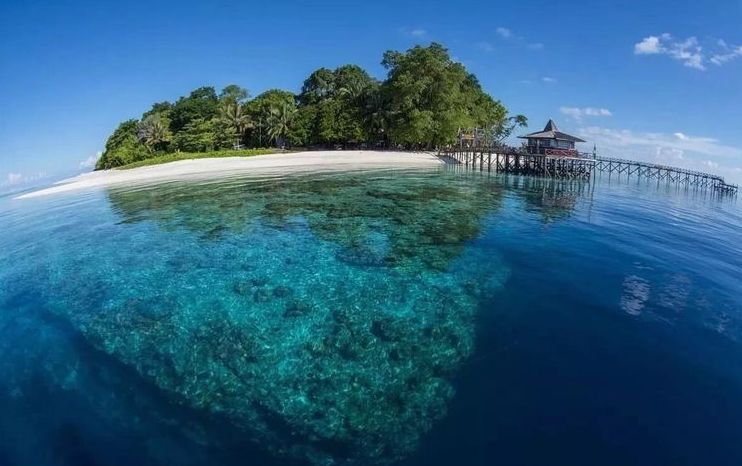
Sipadan is Malaysia’s only oceanic island: it rises alone from deep water in the Celebes Sea rather than sitting on the continental shelf. Nutrient-rich currents meet a vertical wall and concentrate life against it — over 3,000 recorded fish species around an island you can swim around in a morning. Jacques Cousteau filmed here in 1989, and the island has been on the world’s shortlist since. The full story is on the history page; how it compares nationally is on best diving in Malaysia.
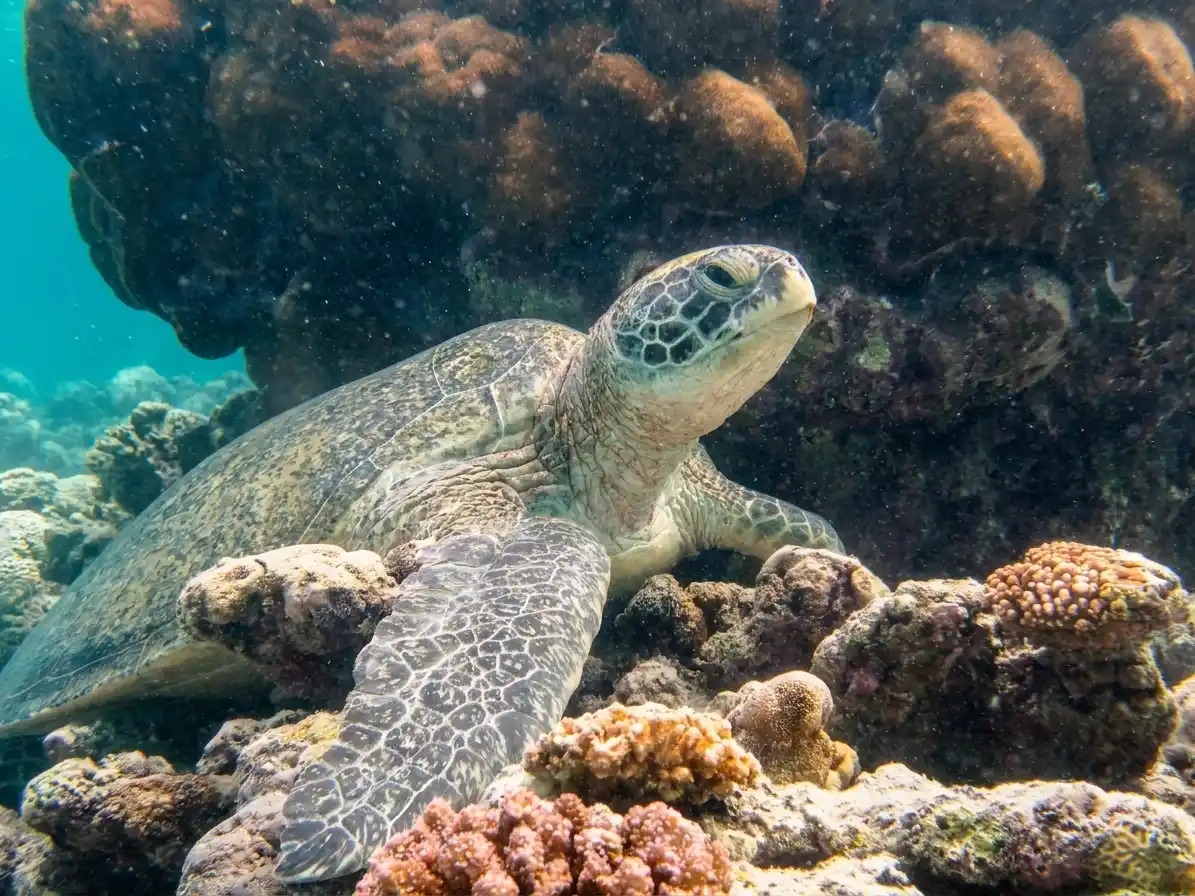
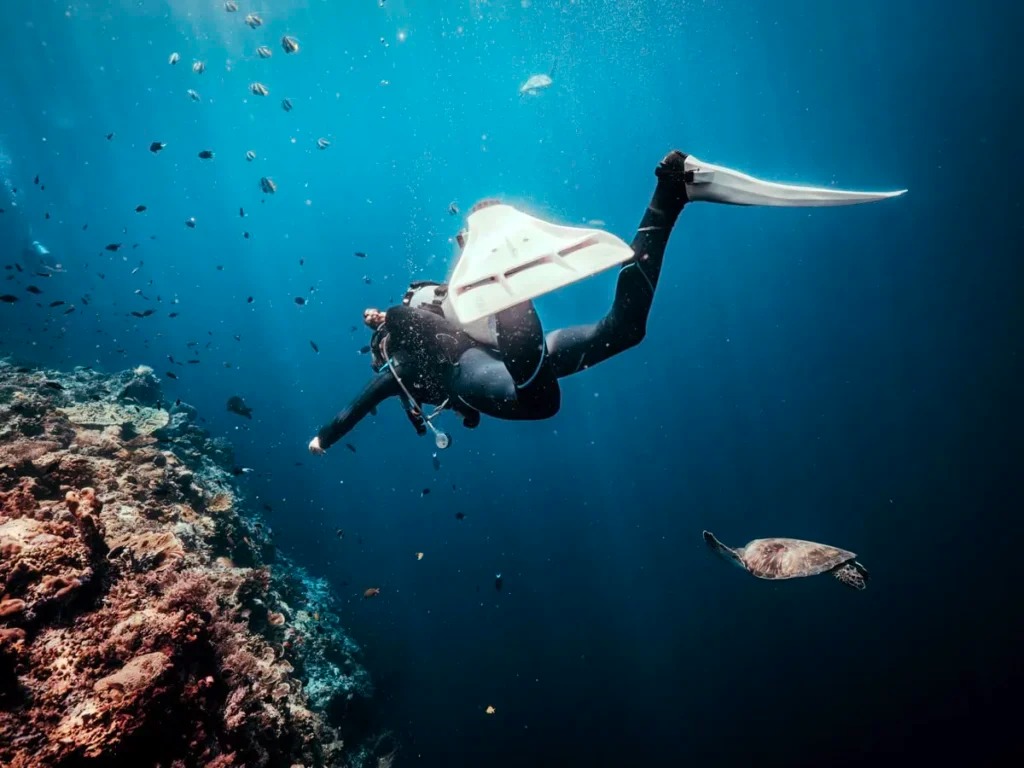
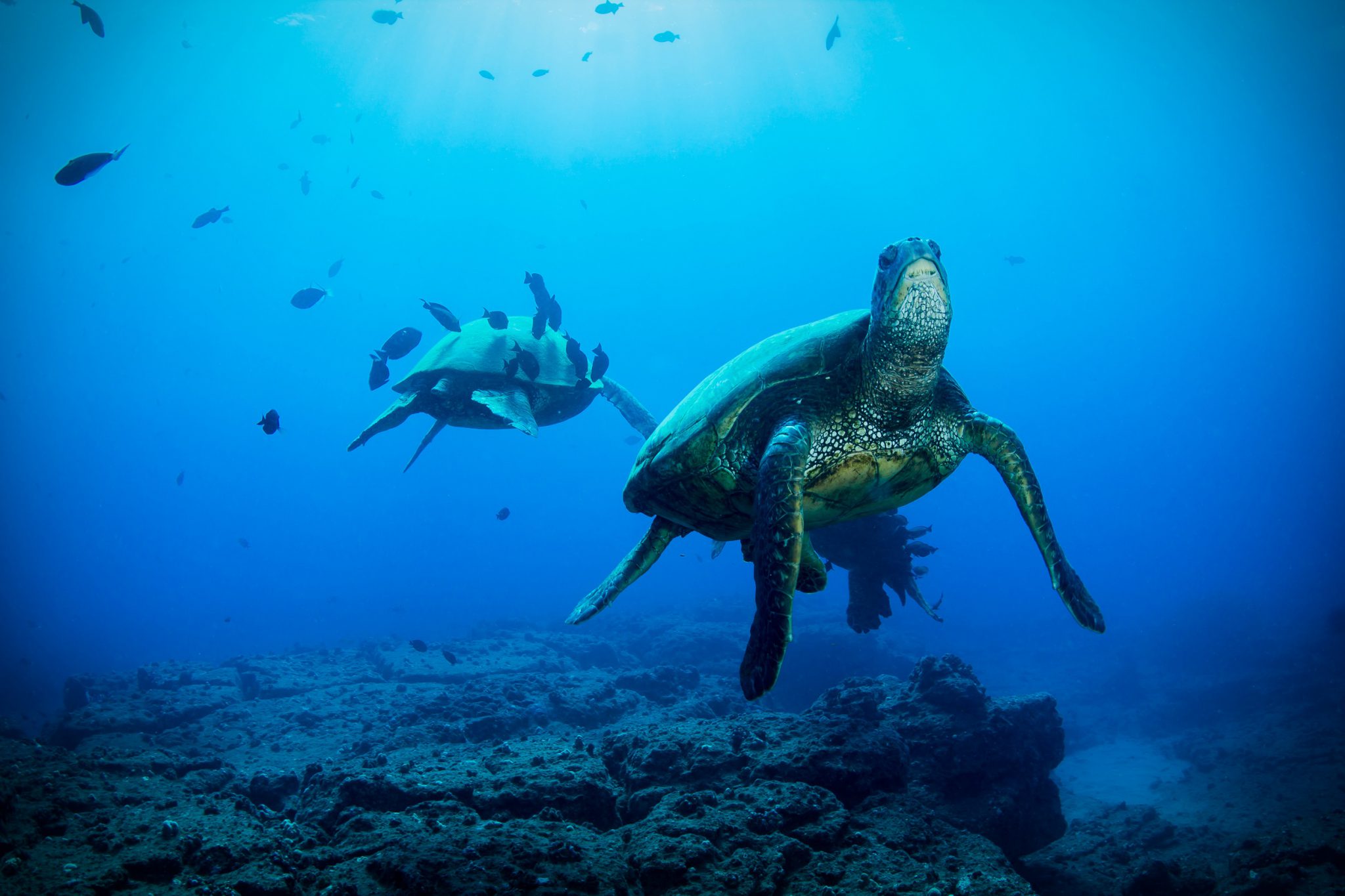
Turtles, constantly. Green and hawksbill turtles are resident in unusual numbers — twenty or more sightings on one dive is normal.
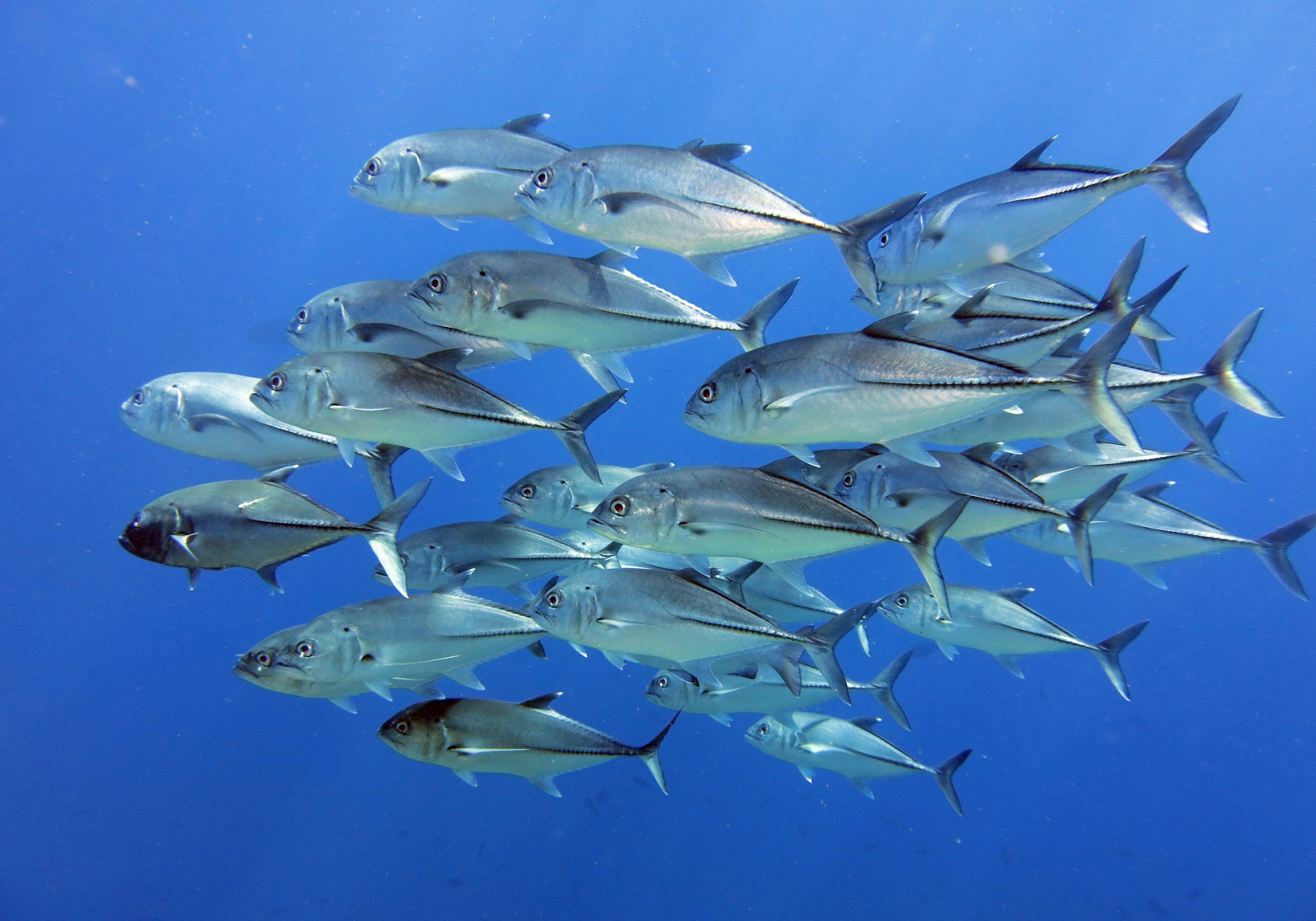
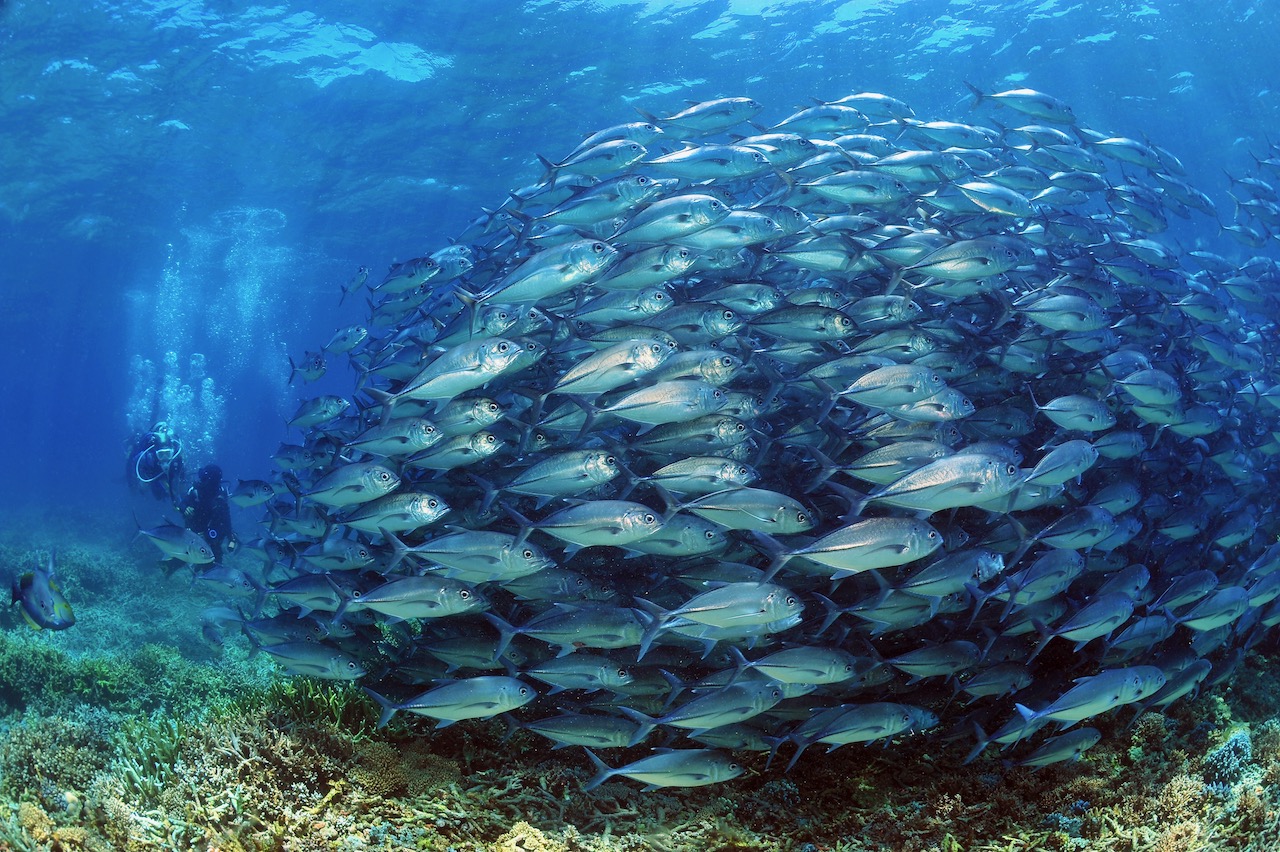
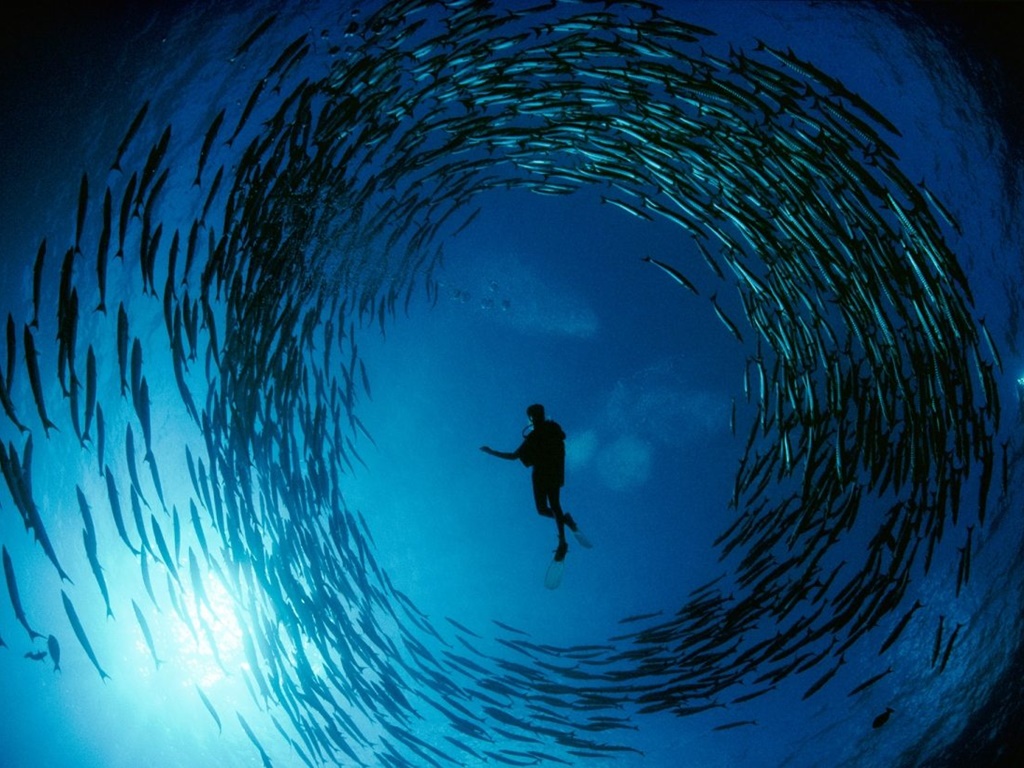
The barracuda tornado. Chevron barracuda and bigeye trevally form slow vertical spirals, most reliably at Barracuda Point. Not guaranteed on one dive; likely over three or four.
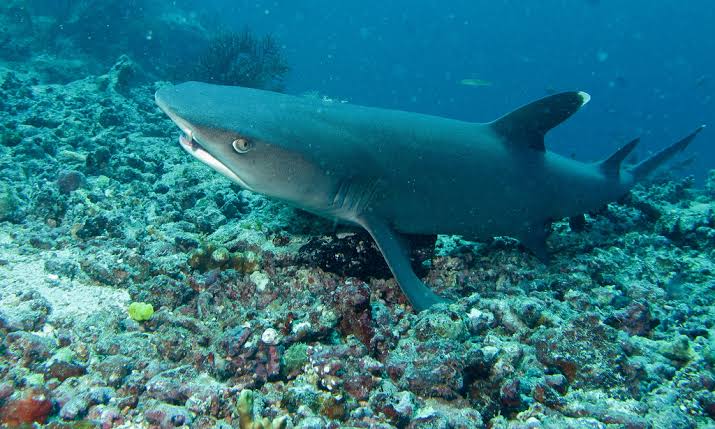
Sharks on the wall. Whitetip reef sharks on every dive, grey reef sharks on the deeper edge. Hammerheads are occasional at South Point; whale sharks are rare.
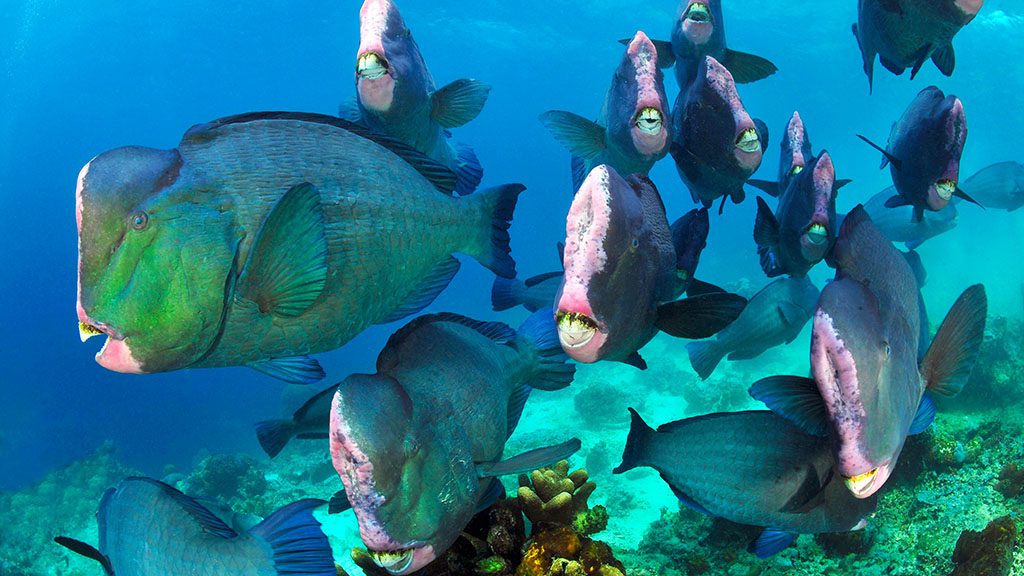
Bumphead parrotfish at dawn. Groups of forty or more cross the reef flat at first light — the reason boats leave before sunrise.
The full species picture, with realistic odds for each, is on the marine life guide.
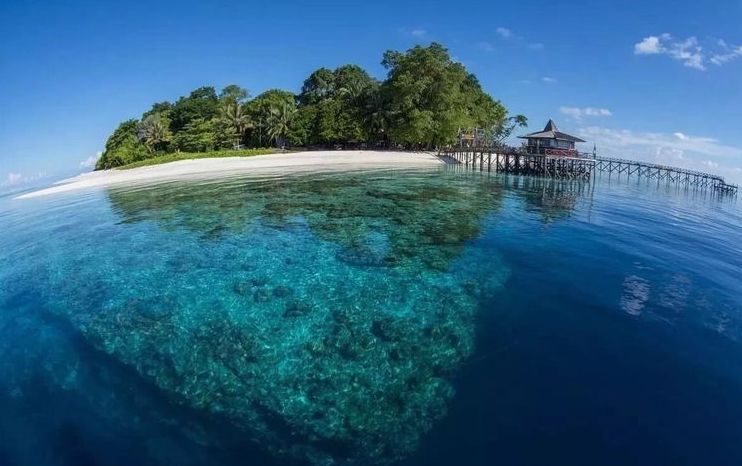
The wall is the whole point. At most reef destinations you descend to a sloping bottom and work along it. At Sipadan you drop over an edge into blue water with nothing beneath you, and the reef becomes a vertical surface on one side. Currents run along that wall and vary sharply between sites and tides — Barracuda Point can go from still to ripping within an hour.
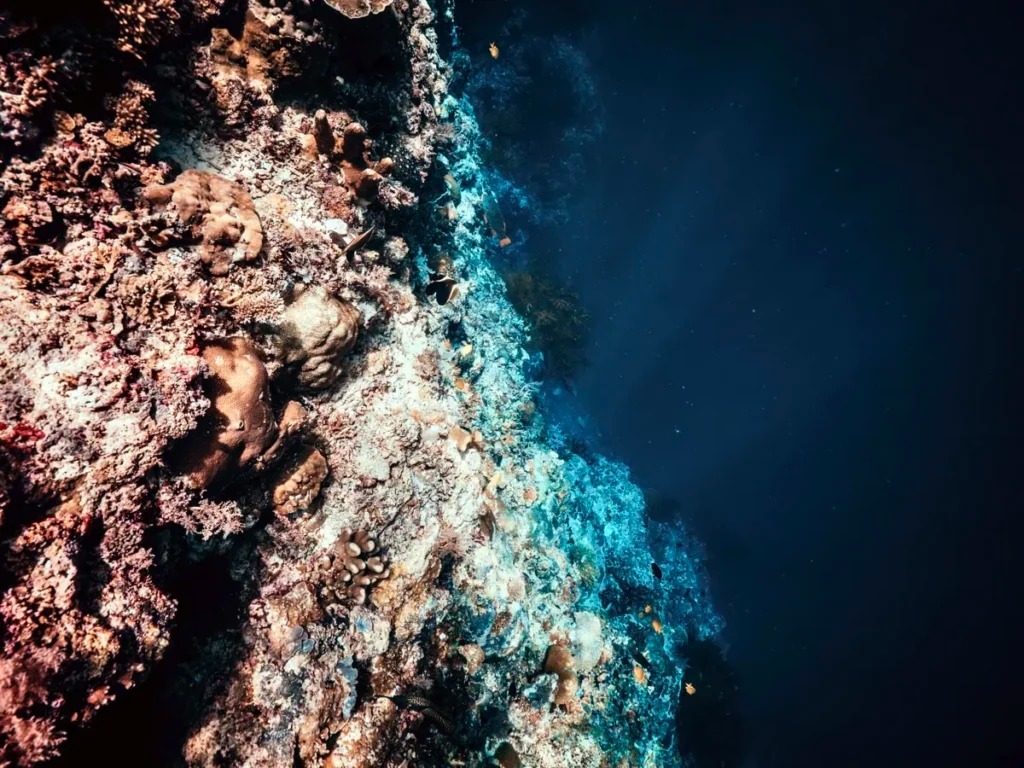
Visibility typically runs 15 to 30 metres, with the clearest water between March and October. Water temperature holds at 27 to 30°C year round, so a 3mm suit or a shorty is enough for most divers, though anyone doing three dives a day will want more thermal protection than they expect.
Two constraints shape every dive plan. Sipadan diving runs between roughly 06:00 and 16:00 — there is no night diving at the island, though night dives on the Mabul house reef are usually available. And no dives are permitted on your departure day, because of the 24-hour no-fly rule out of Tawau.
Guides pick the day’s sites by tide and surface conditions, so you cannot request Barracuda Point and expect it. Carry a surface marker buoy, be ready for negative entries on the swept sites, and watch your gas — a 40-metre wall in current uses air faster than most divers plan for.
If your recent diving has all been calm house reefs, a drift refresher before you travel is worth more than any equipment purchase. Full detail on requirements and dive safety.
On dive counts: Sabah Parks capped Sipadan at two dives per diver per day from 2022. Sabah Parks again allows three dives per permit day from May 2026, but what you actually get depends on your operator’s boat schedule — our partner’s published itineraries currently run two Sipadan boat dives plus one at Mabul. Confirm the day’s schedule when you book: the dives-per-day rule explains the difference.
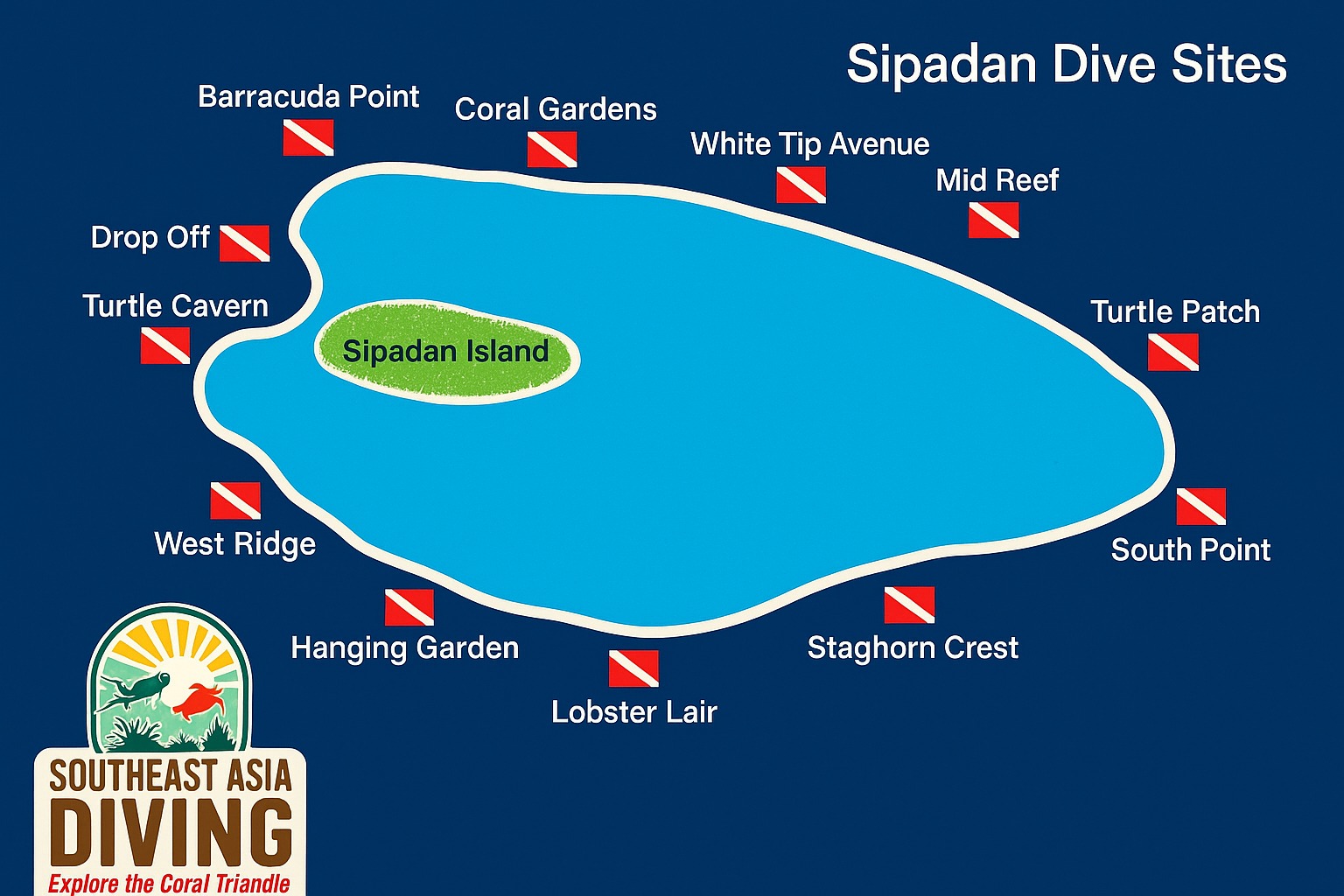
Sipadan's dive sites are named stretches of the same encircling wall, and which ones you dive is decided on the day by current and surface conditions rather than by request. These are the five that define the island.
The signature dive. A current-swept corner where chevron barracuda school in a slow vertical spiral. Grey reef sharks and jacks work the same water. Conditions here are the least predictable on the island.
Directly off the old jetty. The reef flat ends and the wall goes vertical within a fin kick. Turtles in numbers, and the easiest site to appreciate the scale of the seamount.
A limestone cave system inside the wall holding the skeletal remains of turtles that entered and could not find the exit. Penetration requires cave certification and a guide; most divers view the entrance only.
The best chance of pelagic encounters — hammerheads and the occasional whale shark pass in the blue. Exposed, frequently strong current, and dived less often than the north side.
Soft coral growing downward off the underside of overhangs along the southern wall. A slow, deep drift, and the most photogenic coral on the island.
Shallow, sheltered hard coral on the west side. The reliable option when current shuts the exposed sites, and the site most often used for check dives and for snorkellers.
Sand channels between coral heads where whitetip reef sharks rest through the middle of the day. Calm, easy, and the most dependable shark encounter on the island.
A staghorn coral shelf on the north-east corner that drops onto the wall. Turtles feed here in numbers and jacks school over the crest on an incoming tide.
Two adjoining stretches of the western wall, usually dived as a single drift. Steady conditions, heavy turtle traffic, and good visibility even when the north side is stirred up.
Overhangs and crevices holding painted and slipper lobsters. Dived less often than the headline sites, and the better choice if you want to work slowly with a camera.
Which sites you dive is decided by the guide on the morning, based on tide and swell. Full depth profiles, current notes and marine life by site are on the Sipadan dive sites guide.
Since October 2022, you need Advanced Open Water certification or equivalent to dive Sipadan. The rule exists because of the depth and the currents — this is wall diving in open ocean, and an Open Water diver on a strong day at Barracuda Point is a genuine safety problem.
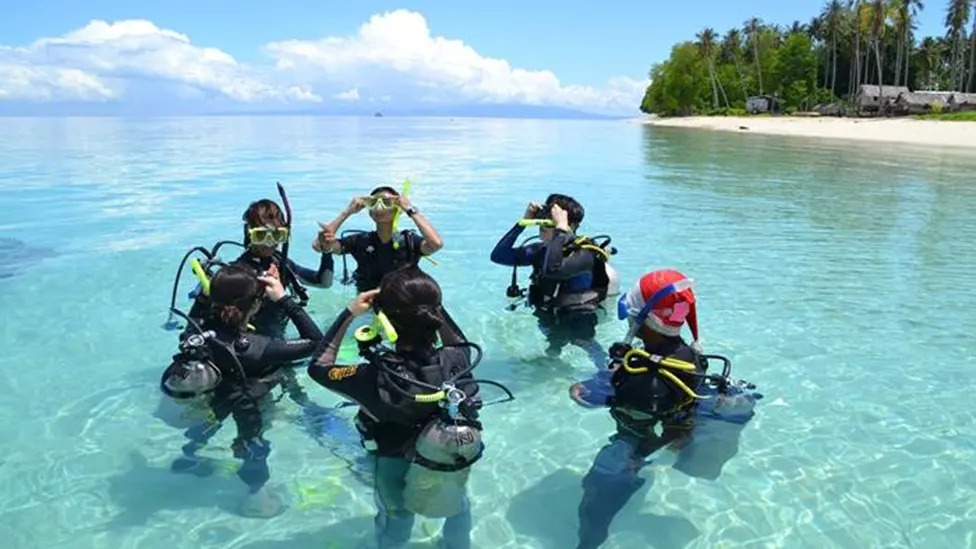
If you hold Open Water only, you have two options. Dive Mabul and Kapalai, which are excellent in their own right and considerably cheaper. Or complete your Advanced course on site during the first days of your stay and dive Sipadan later in the same trip — most resorts run AOW on demand, and it is the single most common upgrade they sell.
Logged-dive requirements vary by operator. Some ask for a minimum of 20 logged dives regardless of certification, and most will want to see a check dive on the house reef before putting you on a Sipadan boat. Bring your certification card and logbook; digital records are usually accepted but not universally.
Snorkellers are allocated a share of the daily permits, so Sipadan snorkeling is possible for non-divers travelling with a dive group — though the same booking rules apply and permits must be reserved in advance.
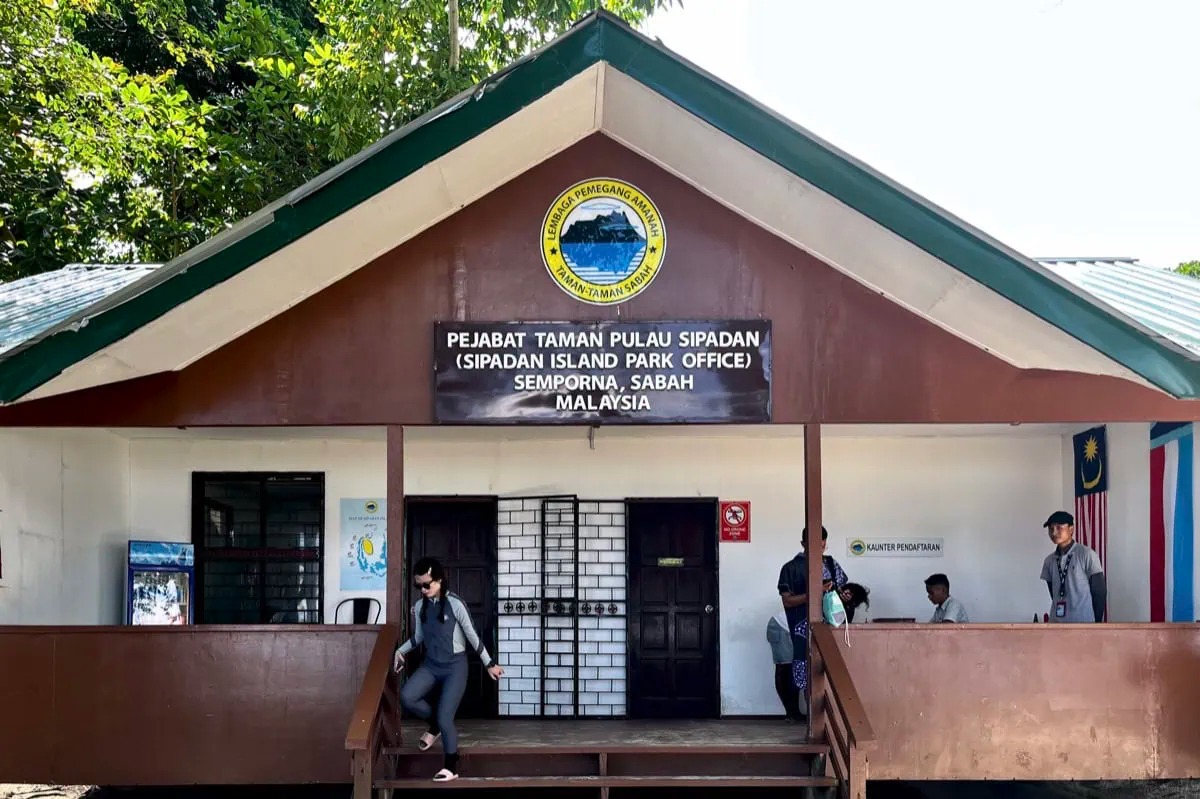
Sabah Parks caps Sipadan at roughly 252 visitors per day, divers and snorkellers combined. Permits are allocated in blocks to licensed operators — six to twelve per resort per day — and cannot be bought individually. You do not book a permit; you book an operator’s allocation.
Stay longer. Operators assign permit days by length of stay: a 6D5N package carries two Sipadan days, shorter packages one.
Book early. For March to August, six to twelve months ahead is normal. Freed last-minute permits exist but go to guests already on the island — see last-minute permits.
The full mechanics, fees and strategy are on the Sipadan permit guide.
Worth knowing: published permit figures disagree. You will find 176, 252 and 254 quoted across operator and tourism sites, partly because the quota has changed and partly because some counts exclude snorkellers. We verify the current figure with Sabah Parks and our operator each season — see the Sipadan permit guide for the detail.
For conditions, March to May is the strongest window. Seas are flattest, visibility is most consistent, and the transition between monsoons brings the calmest surface crossings from Semporna. April is the single most reliable month.
June to October is nearly as good and much busier. Visibility holds, pelagic activity is strong, and this is when European and Australian holidays land. Permits are hardest to secure here and peak rates apply across most of it.
December to February is the value window. More rain, occasionally rougher crossings, and visibility that varies day to day rather than dropping outright. Permits are markedly easier and rates are off-peak throughout. If your dates are flexible and your budget is not, book here.
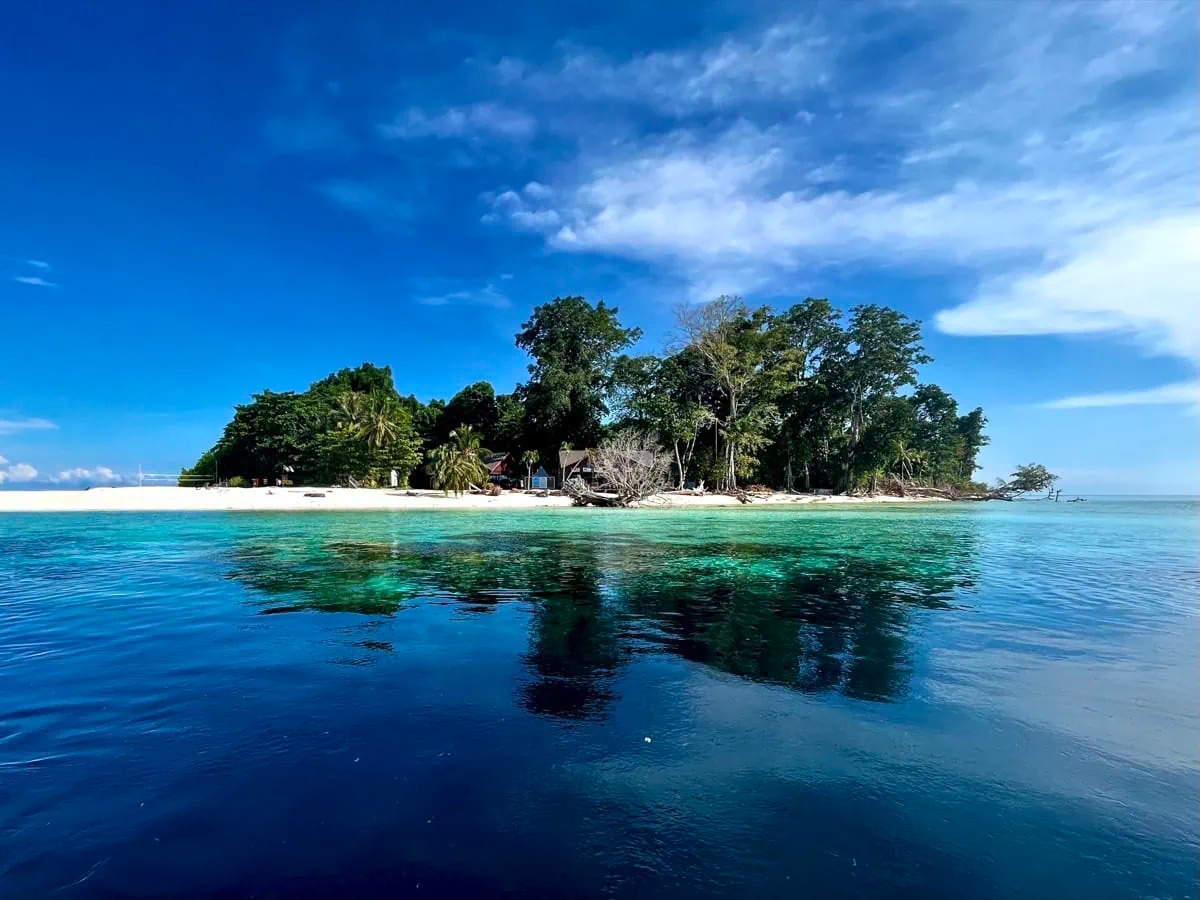
November is closed. The island shuts entirely for reef recovery — no diving, no snorkelling, no landings. Mabul and Kapalai stay open, so a November trip is still worth taking if you approach it as a Mabul diving trip rather than a Sipadan one.
Peak-rate windows for 2026 are 10–24 February, 1 April to 7 May, 13 July to 22 August, and 28 September to 7 October. All other dates are off-peak. Full rates by date are on the current 2026 package rates page.
Nobody stays on Sipadan. All resorts were removed from the island in 2005, so where you sleep determines your transfer time, your permit odds and roughly half your budget. There are five viable bases and they are not equivalent.
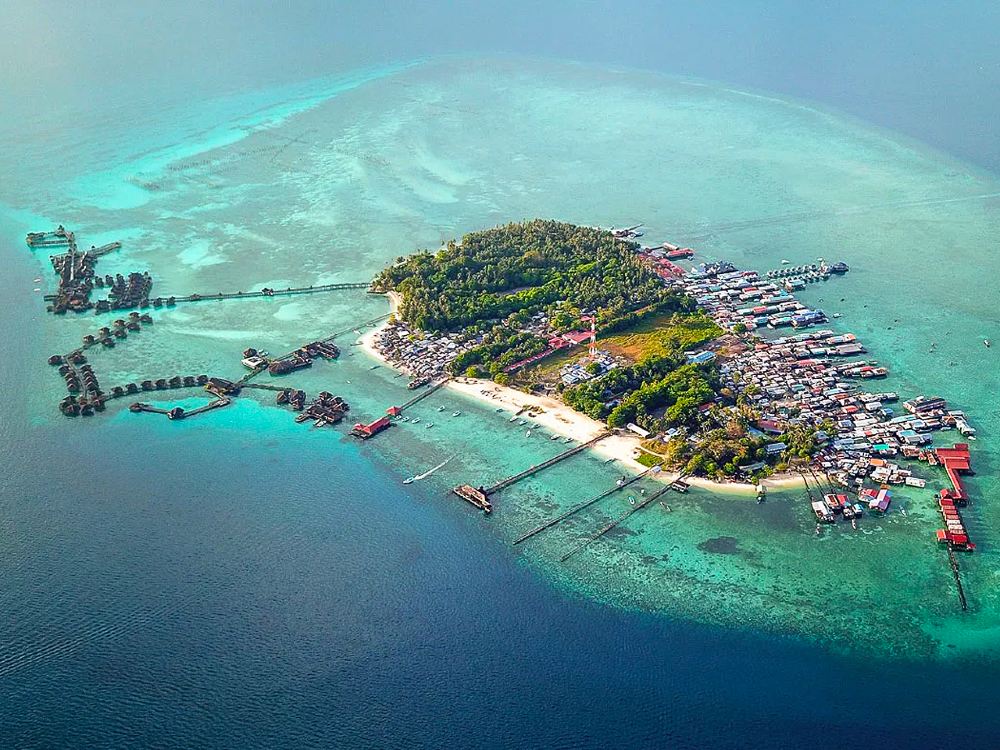
The default. Resorts ranging from backpacker longhouses to the water villas, all with permit allocations and 45 minutes from Sipadan. Also a world-class muck site in its own right, which matters on your non-permit days. our partner resort on Mabul, our operating partner, sits here.
A single stilted resort over a sandbar, with no island underneath it. Quieter than Mabul, with over-water rooms and an exceptional house reef for macro. We book this one too — diver and non-diver stays, flat rate year-round, Sipadan permit RM450 extra on request. Full resort review →
A converted oil platform off Mabul, and the only place where you dive by riding a lift down to the water. Distinctive, and popular with divers who have already done the resorts. Smaller permit allocation than the established Mabul operations.
Cheapest route in. Day-boat operators including Scuba Junkie and Uncle Chang run to Sipadan from the jetty, but the crossing is long, permit allocations are smaller, and you spend more of the day travelling than diving. Viable for divers on a tight budget who are willing to trade comfort for cost.
The Celebes Explorer runs four- and seven-night trips with Sipadan permits included. Covers Si Amil and outer sites the resorts rarely reach. Limited departures and it books out early, so it is a plan-ahead option rather than a fallback.
Which of these to choose. For most divers the answer is Mabul, and specifically an operator with a well-defined permit allocation and an advance rotation, so you know your Sipadan day before you arrive. Our packages run through our partner resort on Mabul on that basis, and we earn a commission at no cost to you — the rates are the operator's own.
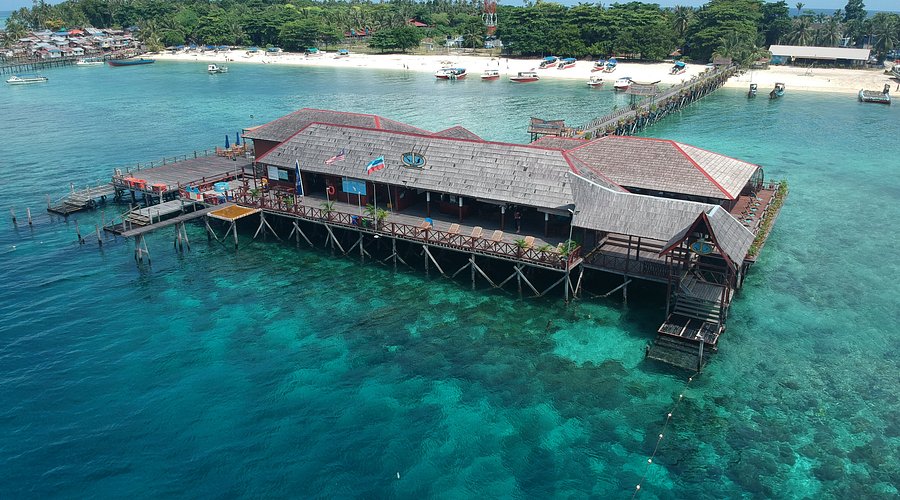
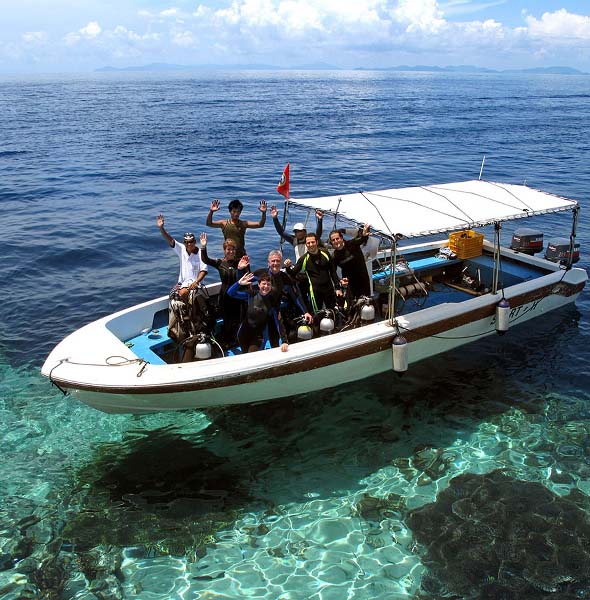
All Sipadan diving packages include accommodation, full board, return transfers from Tawau airport via Semporna jetty, guided boat dives, tanks and weights, and the Sipadan permit for the days stated. Rates below are per person, twin sharing, for 2026.
| Package | Sipadan days | Off-peak | Peak | Code |
|---|---|---|---|---|
| 4D3N Sipadan Diving | 1 | RM4,170 | RM4,350 | RB-4D3N-BD (SD) |
| 5D4N Sipadan Diving | 1 | RM4,870 | RM5,080 | RB-5D4N-BD (SD) |
| 6D5N Sipadan Diving Best permit odds | 2 | RM6,550 | RM6,830 | RB-6D5N-BD (SD) |
| Package | Sipadan days | Off-peak | Peak | Code |
|---|---|---|---|---|
| 3D2N Mabul / Kapalai Diving | — | RM2,390 | RM2,510 | RB-3D2N-BD-NSD |
| 4D3N Mabul / Kapalai Diving | — | RM3,380 | RM3,550 | RB-4D3N-BD-NSD |
| 5D4N Mabul / Kapalai Diving | — | RM4,250 | RM4,460 | RB-5D4N-BD-NSD |
Snorkelling packages run roughly RM1,100 to RM1,800 below the equivalent dive package, and Kapalai over-water stays (RM2,370–6,050, Sipadan permit RM450 extra) are bookable too. All 18 rates, the 2026 peak-date calendar, the solo traveller supplement and the child policy are on the Sipadan diving packages page.
Two things that catch people out. Rates assume two guests sharing — solo divers pay a 40% single supplement. And there is no diving on departure day, so book flights out of Tawau after 16:00 to stay inside the no-fly window.
For what a complete trip costs once flights, gear rental, tourism tax and tips are counted, see the full Sipadan diving cost breakdown.
There is no direct route. Every trip runs the same chain: fly into Tawau, transfer by road to Semporna, then by boat to Mabul or Kapalai, and out to Sipadan on your permit day. Nobody stays on Sipadan itself — all resorts were removed from the island in 2005.

Tawau (TWU) is served by daily flights from Kuala Lumpur and Kota Kinabalu. Book the earliest arrival you can; resorts run scheduled transfers at fixed times and missing one costs you a day.
Tawau to Semporna is roughly 90 minutes by road, included in package rates as a scheduled shared transfer.
Semporna to the resort is 45 minutes to an hour by boat, with departures typically at 10:00 and 12:30. From there, Sipadan is a further 30 to 45 minutes, leaving before dawn on your permit day.
Full timings, flight-connection advice and what to do with an overnight in Tawau are covered in how to get to Sipadan.
How the quota works, which operators hold allocations, and how to improve your odds.
Read the permit guideDepth, current and marine life notes for every named site on the island.
See all Sipadan dive sitesRooms, house reef, dive operation and permit allocation at our partner resort.
Resort detailsWhat to do if you hold Open Water only, and how the on-site AOW upgrade works.
Beginner's route in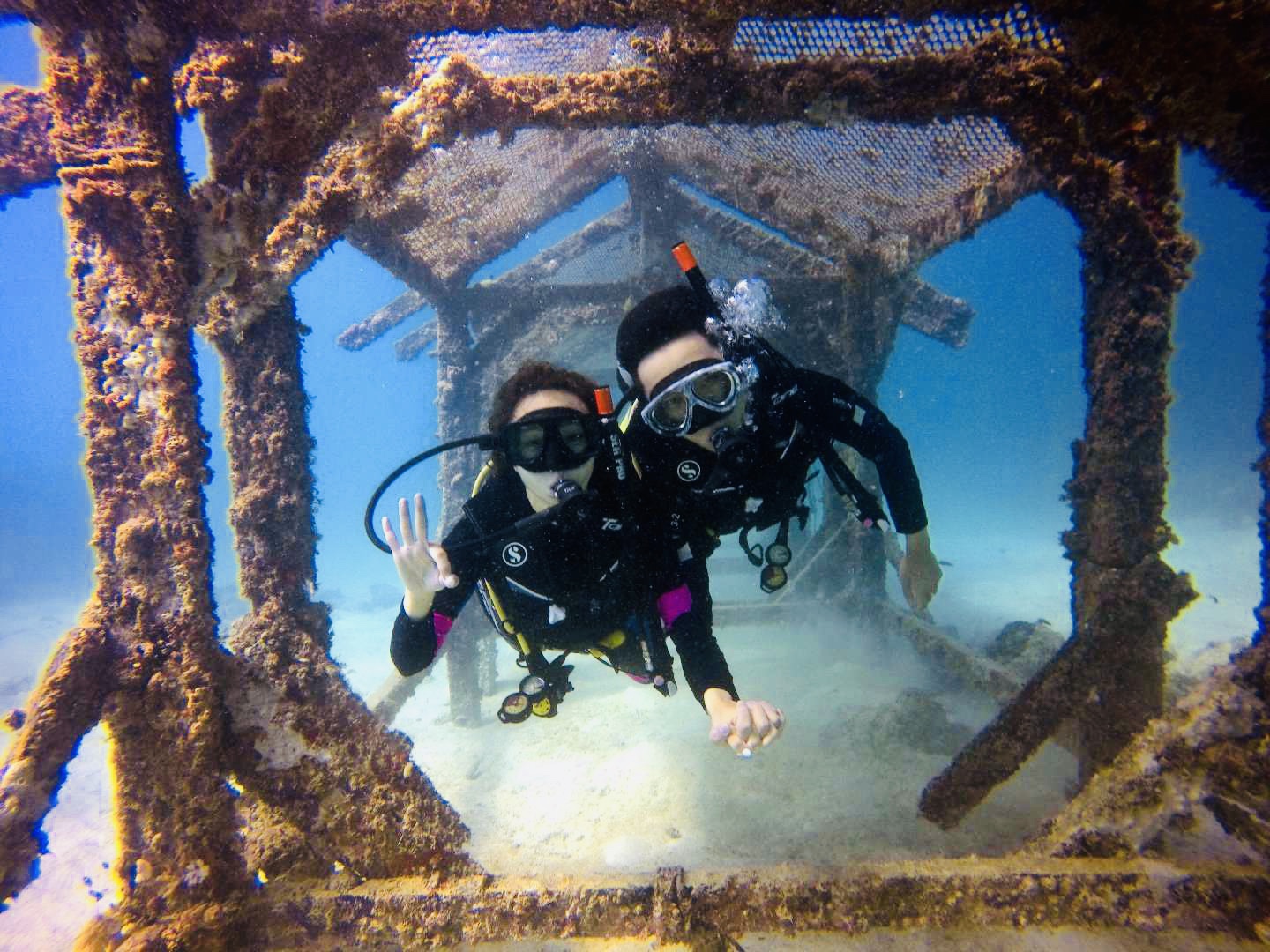
Sipadan is in the Celebes Sea off the south-east coast of Sabah, Malaysian Borneo, about 35 kilometres from the town of Semporna. The nearest airport is Tawau, and divers stay on nearby Mabul or Kapalai islands.
Yes, and you cannot buy one yourself. Sabah Parks allocates a fixed daily quota to licensed dive operators, who distribute permits among their guests. The only route in is to book a dive package with an operator holding an allocation.
Not on Open Water certification. Advanced Open Water or equivalent has been required since October 2022. Open Water divers can dive Mabul and Kapalai, or complete an Advanced course on site during the first days of a trip and dive Sipadan afterwards.
A four-day package with one Sipadan day starts around RM4,170 per person twin sharing, and a six-day package with two Sipadan days runs to about RM6,830 in peak season. That covers accommodation, meals, transfers, diving and permits, but excludes flights, equipment rental and tourism tax.
Sipadan was capped at two dives per permit day from 2022, and Sabah Parks again allows three from May 2026. What you actually get depends on the operator’s schedule — our partner’s published itineraries currently run two at Sipadan plus one at Mabul, so confirm when booking. Full story: the dives-per-day rule.
The whole of November, every year, for reef recovery. No diving, snorkelling or landings are permitted. Mabul and Kapalai remain open throughout.
No. All resorts were relocated off the island in 2005 to reduce pressure on the ecosystem. Divers stay on Mabul, Kapalai or Mataking, or in Semporna town, and travel to Sipadan by boat on their permit day.
Six months for the March to August peak, and twelve is not unreasonable for specific dates. December to February is easier and often available at two to three months out.
You dive Mabul and Kapalai, which is not a consolation prize — Mabul is one of the best muck diving sites in the world for frogfish, mandarinfish, blue-ringed octopus and ghost pipefish. Most packages include three boat dives a day plus unlimited house reef diving. Non-divers can snorkel, and there are village walks on Mabul.
Different. Raja Ampat has greater coral and species diversity across a far larger area. Komodo has more dramatic current diving and cooler-water encounters. Sipadan concentrates turtles, schooling fish and sharks into one small site with easy logistics — you dive one island rather than travelling between dozens. For a first big-fish trip with limited time, Sipadan is the easier win. The full head-to-head, with costs, is in Sipadan vs Raja AmpatLiveaboard vs resort.
Tanks, weights and belts are included in every package. Mask, snorkel, fins, BCD, regulator and wetsuit are not, and rental typically runs RM60–100 per day. Bringing your own regulator and computer is worth it; bringing tanks obviously is not.
Tell us when you want to dive and how long you can stay. We will come back with the permit days our operator can hold for you and what the package costs — usually within one working day.
Get dates & price See all packages